In the middle of May 2026, a strange political movement erupted on the Indian internet. It did not come from a podium at a press conference or a crowded rally ground. It was born out of a shared feeling of being mocked, a sharp sense of humour, and a simple Google Form. The name of this movement was the Cockroach Janta Party, or CJP. In just one week, it gathered over 20 million followers online. It bypassed the social media presence of the ruling Bharatiya Janata Party, which has been around for more than forty years. This sudden growth triggered a strong response from the government, leading to the blocking of its accounts. What began as an online joke quickly turned into a significant national talking point about the anger of young Indians, the state of free speech, and how the country's leadership deals with satire.
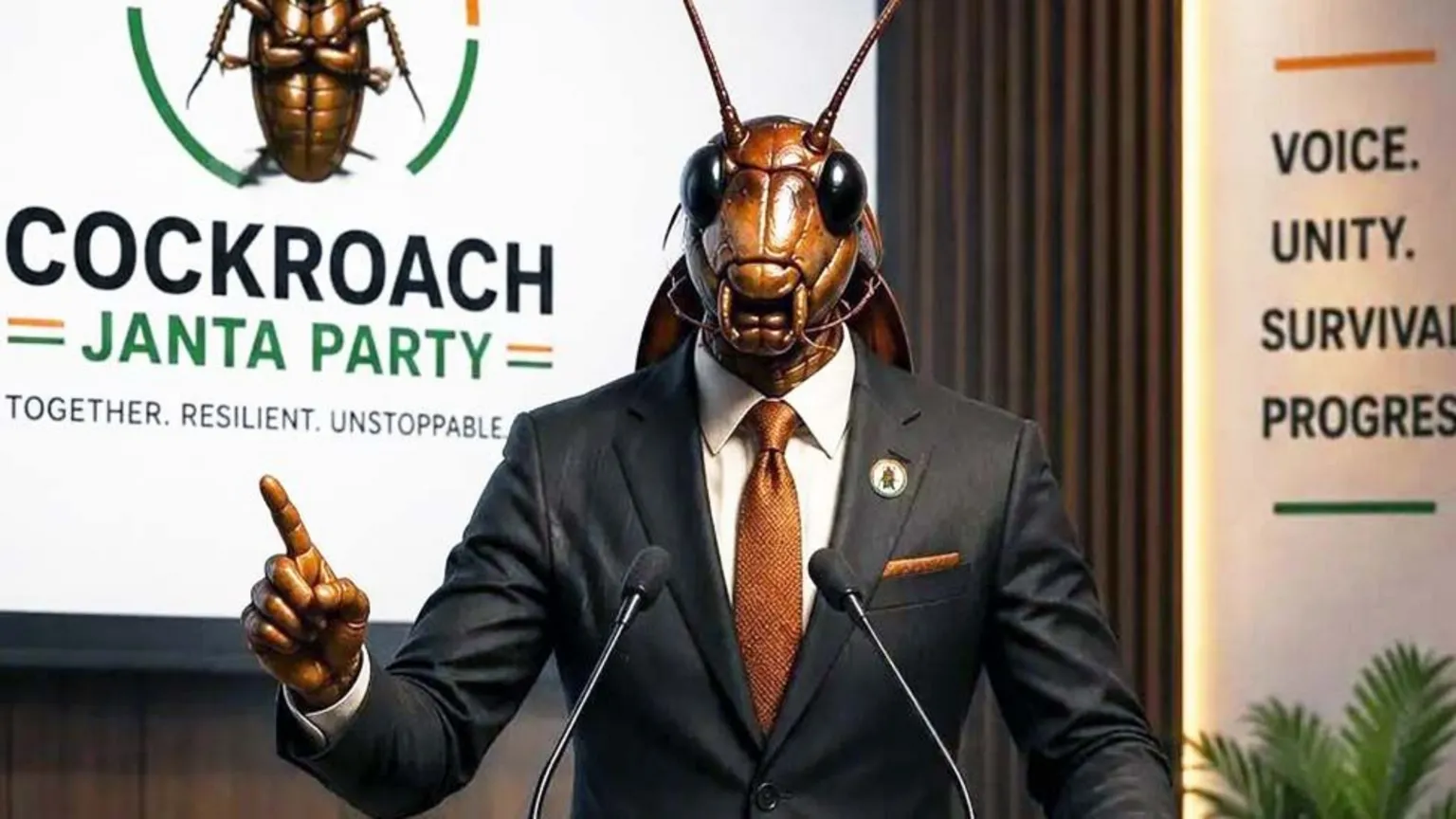
The spark for this movement was not a political manifesto but a comment made inside a courtroom. On May 15, 2026, during a Supreme Court hearing about the designation of senior lawyers, Chief Justice of India Surya Kant made an oral observation that would travel far beyond the court's walls. He reportedly referred to some people as "cockroaches" and "parasites". Media reports suggested this remark was aimed at unemployed youth and online activists. The reaction online was immediate and filled with anger. The Chief Justice later issued a clarification, explaining that his words were meant only for individuals who use fake and bogus degrees to enter noble professions like law and media. He insisted that it was baseless to suggest he had criticized the nation's youth. However, the clarification could not put the fire out. By then, a young man had already turned the insult into a new identity.
The architect of this sudden movement was a 30-year-old Indian student named Abhijeet Dipke, who was then pursuing a master's degree in public relations at Boston University in the United States. Originally from Aurangabad, Maharashtra, Dipke had a background in political communication. He had worked with the Aam Aadmi Party's social media team between 2020 and 2023, where he was involved in creating viral content for election campaigns. When he heard the Chief Justice's remarks, he said it was hurtful, especially coming from the custodian of the Constitution who is meant to safeguard freedom of expression. On May 16, 2026, just a day after the court hearing, Dipke launched the Cockroach Janta Party. He created a social media page and a website, with a name that was a clear play on the ruling Bharatiya Janata Party. His first post was casual and inviting, listing the eligibility criteria for joining as being unemployed, lazy, chronically online, and having the ability to rant professionally. The party's tagline became the "Voice of the Lazy and Unemployed". What Dipke had started as a satirical outlet soon became something much larger.
The speed at which the CJP grew was remarkable and unprecedented for a satirical outfit. Within 48 hours, the movement had a name, a five-point manifesto, an election symbol, and over 25,000 registered members. The numbers then swelled at an explosive pace. Its Instagram account gathered more than 20 million followers in less than a week, a figure that was more than double the official Instagram following of the BJP, which stood at around 8.7 million, and even surpassed the main opposition Congress party's count of about 13 million. On its X account, the follower count crossed 200,000 within days. The movement's online dominance was fuelled by thousands of young Indians who began calling themselves "cockroaches" with a sense of defiant pride. The hashtag #MainBhiCockroach, meaning "I too am a cockroach", started trending widely. High-profile figures lent their support as well. Trinamool Congress MPs Mahua Moitra and Kirti Azad publicly accepted honorary CJP cards. Hotmail co-founder Sabeer Bhatia posted a video expressing his full support for the youth who had reclaimed the insult. Filmmaker Anurag Kashyap and actors Konkona Sen Sharma and Esha Gupta also began following the movement's Instagram page.
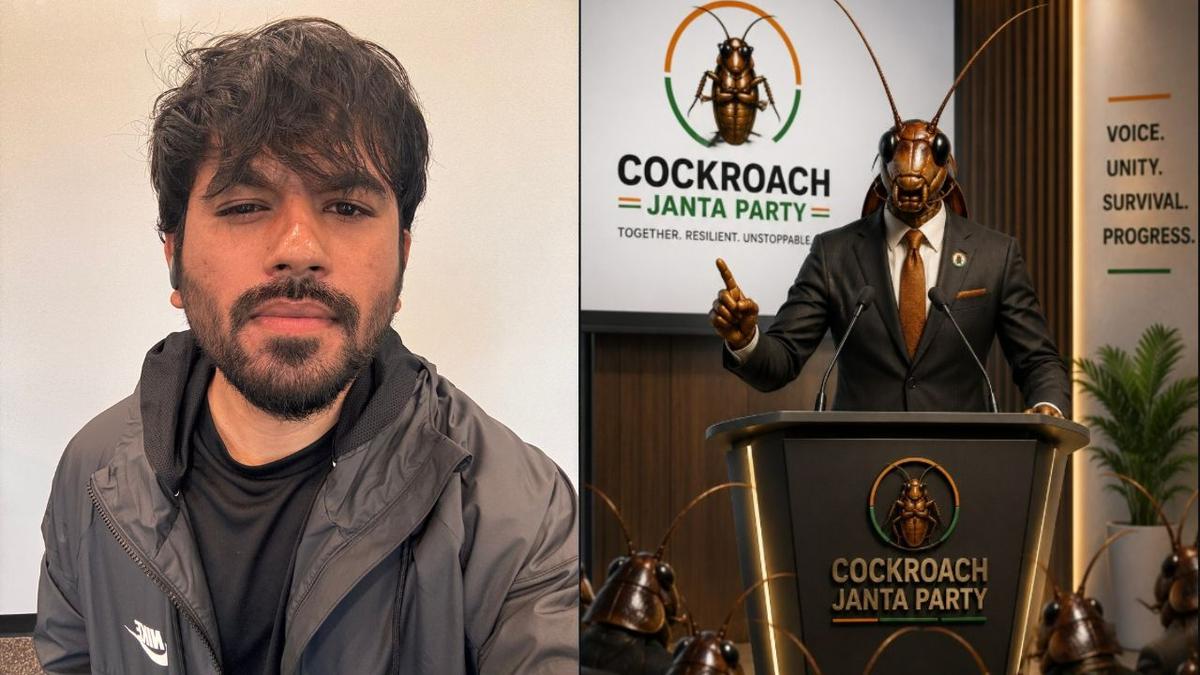
As the movement's popularity soared and it began to overshadow the online presence of established political parties, the government's response was swift and forceful. On Thursday, May 21, 2026, the X account of the Cockroach Janta Party was withheld in India. Users trying to access it from within the country saw a message stating that it had been blocked "in response to a legal demand". Soon after, the CJP's website also became inaccessible. Reports emerged that the Centre had directed X to block the account under Section 69A of the Information Technology Act, based on inputs from the Intelligence Bureau. The IB had reportedly flagged the account as a potential threat to the sovereignty and national security of India, expressing concern that its content was gaining dangerous traction among young people. Founder Abhijeet Dipke, who claimed his personal and the group's Instagram accounts were also targeted by hacking attempts, called the government's action a "self-goal". In a move that reflected the movement's resilient and defiant spirit, he immediately launched a new X handle named "Cockroach is Back" with the tagline "Cockroaches Don't Die".
The government's actions drew a sharp political divide. Senior leaders of the ruling BJP defended the move and attacked the movement itself. BJP's Kerala president Rajeev Chandrasekhar described the CJP trend as a "classic cross-border influence operation" designed by vested interests to destabilise India. He asserted that "no cockroach" could derail India's resolve to become a developed nation. A BJP MLA from Uttar Pradesh went further, calling it a foreign conspiracy and alleging that people with a "jihadi ideology" from Pakistan and Bangladesh were joining it. UP cabinet minister Anil Rajbhar dismissed it as mere drama, stating the BJP faced no threat from it. On the other hand, opposition leaders saw the blocking as a sign of government panic and intolerance. Shiv Sena (UBT) MP Sanjay Raut mocked the government, saying that the same administration which had conducted a major security operation was now "scared of the lazy and unemployed youth". Congress leader Deepender Singh Hooda said the movement was a clear reflection of the deep-seated anger among the youth against a flawed system, and he condemned the "cockroach ban" as inappropriate in a democracy. Former Kerala Chief Minister Pinarayi Vijayan said the move to block the account reflected "intolerance towards democratic protests" and exposed the government's fear of a larger political movement. Samajwadi Party chief Akhilesh Yadav joined the trend cryptically, posting "BJP versus CJP" on his social media, hinting at the new political dimension the satire had taken ahead of the Uttar Pradesh elections.
The digital roar of the CJP soon found an echo in the physical world. In Mathura, Uttar Pradesh, social activist Deepak Sharma, dressed in a full cockroach costume, arrived at the municipal corporation office. Singing and dancing, he protested the severe pollution in the Yamuna river and the indifference of officials, stating he was inspired by the Cockroach Janta Party. In Delhi, young supporters wearing cockroach costumes organised cleanliness drives near the Yamuna river, blending a symbolic message with civic action. The Bengaluru City Police, meanwhile, issued a caution to the public not to participate in a proposed human chain programme by a group calling itself the Cockroach Janata Party Karnataka, stating that no permission had been granted for such an event. These small, scattered acts showed how an online satire had begun to test the boundaries of offline expression.
What set the Cockroach Janta Party apart was its unique voice and style. Its official ideology was satirically described as "Secular, Socialist, Democratic, Lazy". The party created a mock manifesto filled with exaggerated promises that nonetheless pointed a finger at real issues. These included demands for 50 percent reservation for women in Parliament, a 20-year ban on defecting MLAs and MPs from contesting elections, and the cancellation of media licenses linked to large corporate groups. Its headquarters were listed jokingly as "wherever the wifi works". This blend of sharp political commentary and absurdist, internet-native humour gave young people a relatable language to express their deep frustration with joblessness, corruption, and a feeling of being ignored by mainstream politics.
The rise of the Cockroach Janta Party is a unique event in the story of Indian democracy. It was not a registered political party. It was a digital, satirical campaign that, within days, created a shared political identity for millions of young Indians who felt disconnected. The government's decision to suppress it, citing national security, and the fierce debate that followed, have raised fundamental questions. The conversation is no longer just about a remark made in a courtroom. It is now about the power of online protest, the limits of free speech, and how a nation's leadership chooses to engage with the restless, creative, and digitally savvy energy of its youth. Whether the movement fades away or transforms into something more permanent, one thing is clear: the cockroaches have announced their presence, and they have made it known that they are resilient and not going to disappear quietly.